
- Call us now: 01634 260 631

Classroom-based safety training is more effective than online learning because it provides real-time interaction, practical application, expert guidance, and stronger knowledge retention. For NEBISH and CITB courses such as SMSTS and SSSTS, classroom delivery ensures delegates fully understand safety responsibilities and can apply them confidently on site. Lighthouse Safety delivers classroom-based training across London and Kent, helping organisations improve compliance, safety culture, and performance.
In a world where everything is moving online, it’s easy to assume that health and safety training should follow the same path.
eLearning is often marketed as faster, cheaper, and more convenient — but when it comes to real workplace safety, is it actually the better option?
For many employers and delegates, the answer is no.
Because when safety matters, how you learn is just as important as what you learn.
The key difference comes down to engagement, understanding, and real-world application.
Online safety courses can deliver information.
But classroom-based training delivers competence.
And in industries like construction, engineering, and site management, that distinction matters.
One of the biggest limitations of online training is the lack of interaction.
In a classroom environment, delegates can:
This creates a deeper level of understanding that simply isn’t possible through passive online learning.
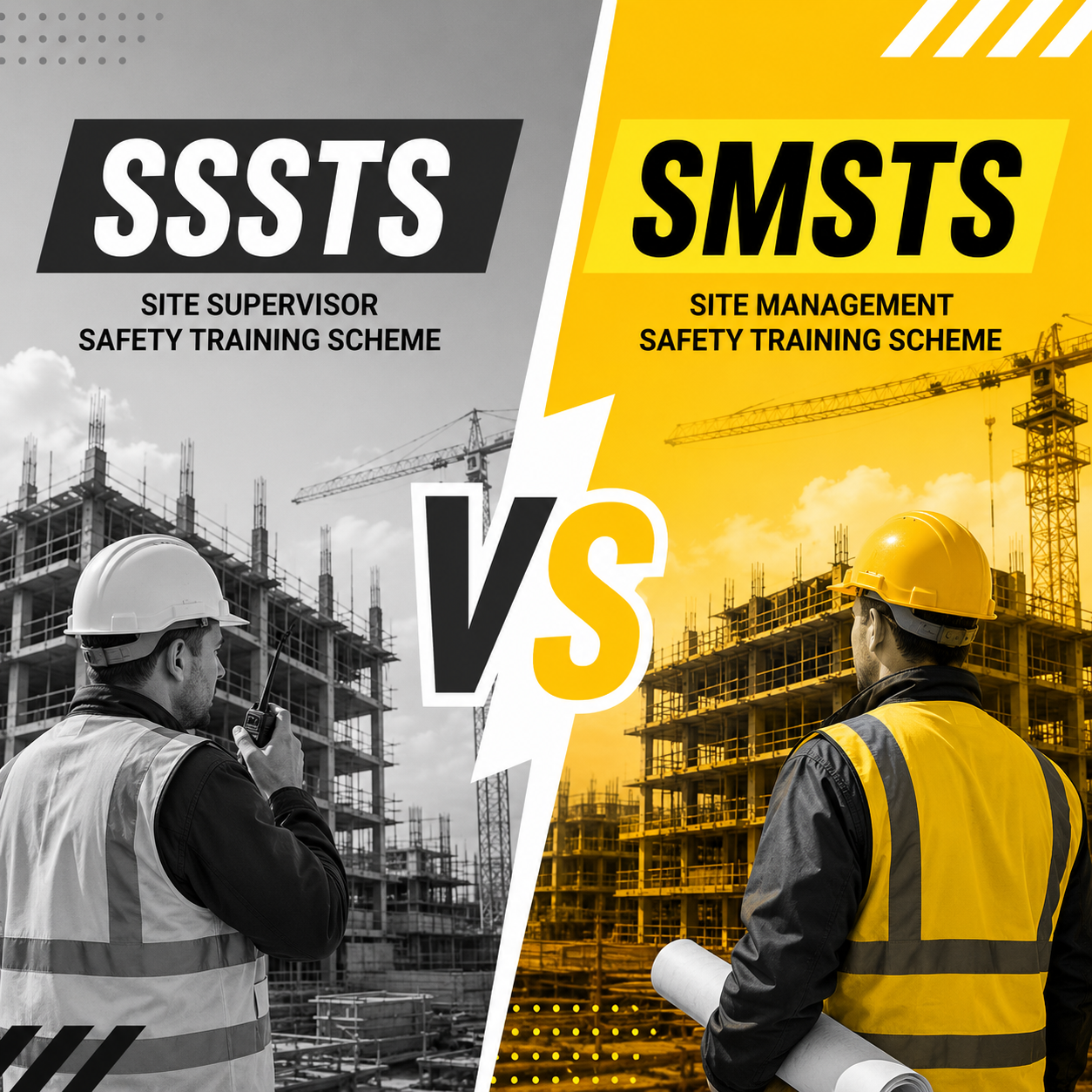
Especially for courses like CITB classroom courses (SMSTS, SSSTS, Health & Safety Awareness), discussion and interpretation are critical.
With classroom-based safety training, you’re not left guessing.
Experienced tutors can:
This ensures delegates leave with confidence — not confusion.
Health and safety isn’t just theory.
It’s about applying knowledge in real situations.
Classroom training allows for:
These methods significantly improve knowledge retention and decision-making on site.
Let’s be honest — online learning can be distracting.
Emails, phones, and day-to-day pressures often take priority.
In a classroom setting, delegates are:
✔ Fully present
✔ Focused
✔ Committed to completing the course
This leads to better outcomes and higher pass rates.
Training isn’t just about individuals — it’s about culture.
When teams attend classroom training together, it:
This is particularly important for employers investing in CITB classroom courses to improve site performance.
Many organisations — especially in construction — still prefer or require classroom-based training.
Why?
Because it demonstrates:
When it comes to inspections or audits, this matters.
Online training does have its place.
It can be useful for:
But for core qualifications and site-critical training, classroom delivery remains the gold standard.
At Lighthouse Safety, we focus on delivering high-quality, instructor-led training because we know it delivers better results.
Our classroom courses are designed to:
✔ Engage delegates
✔ Build real understanding
✔ Improve on-site performance
We deliver across London and Kent, with experienced tutors who bring real-world insight into every session.
Online courses might be convenient.
But convenience doesn’t always equal competence.
When safety is on the line, you need training that:
And that’s exactly what classroom-based training delivers.
“Is classroom safety training better than online?”
Yes, classroom/remote-based safety training is generally more effective than online courses because it allows for interaction with expert tutors, real-life scenario learning, and better knowledge retention. This is especially important for CITB courses like SMSTS and SSSTS, where understanding and applying safety principles is critical.




Accreditations & Certifications


Membership